SANTORINI
Santorini without the crowds: a practical guide
Where to stay, when to go, how to get around and how to enjoy the caldera and the Oia sunset without the crush.
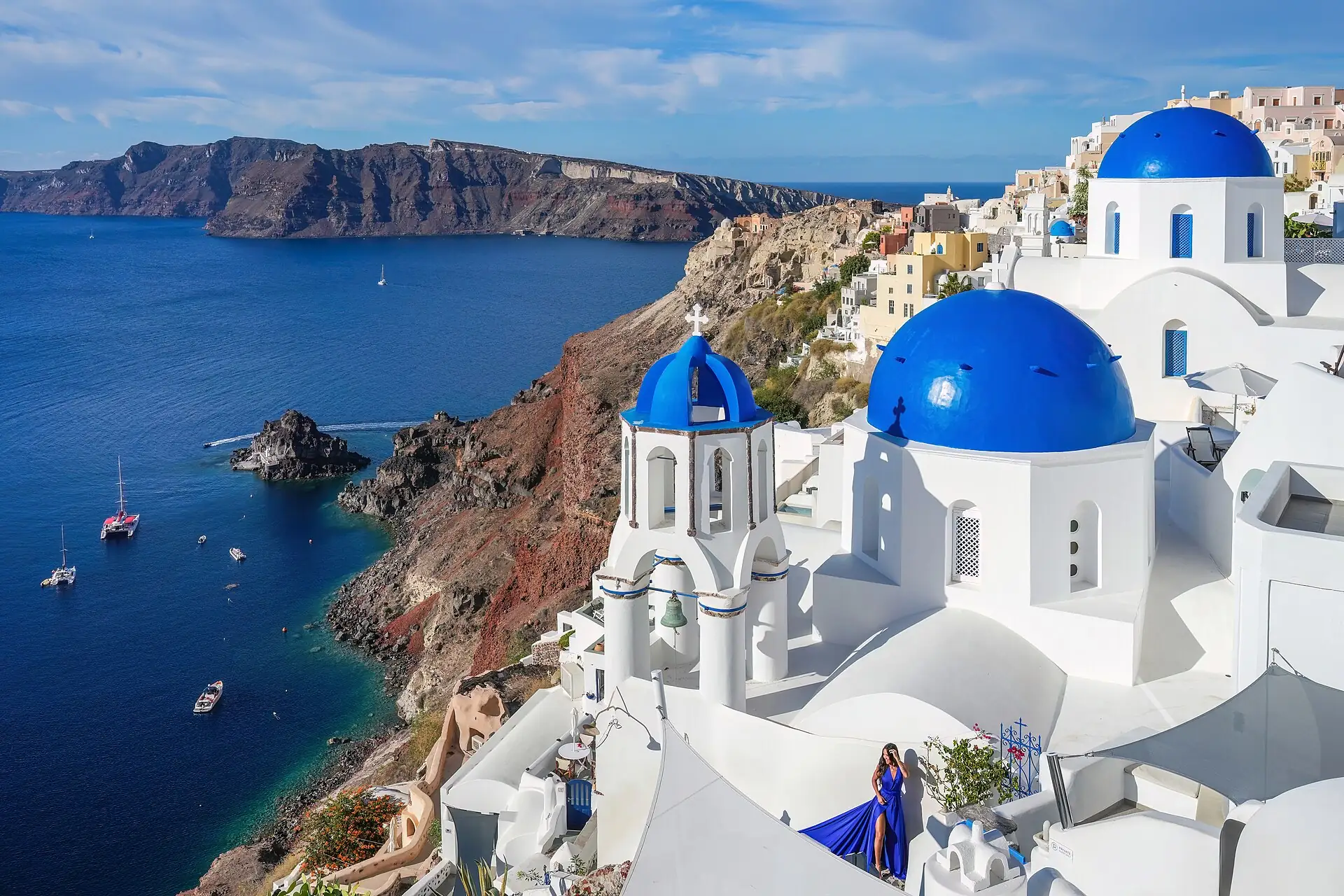
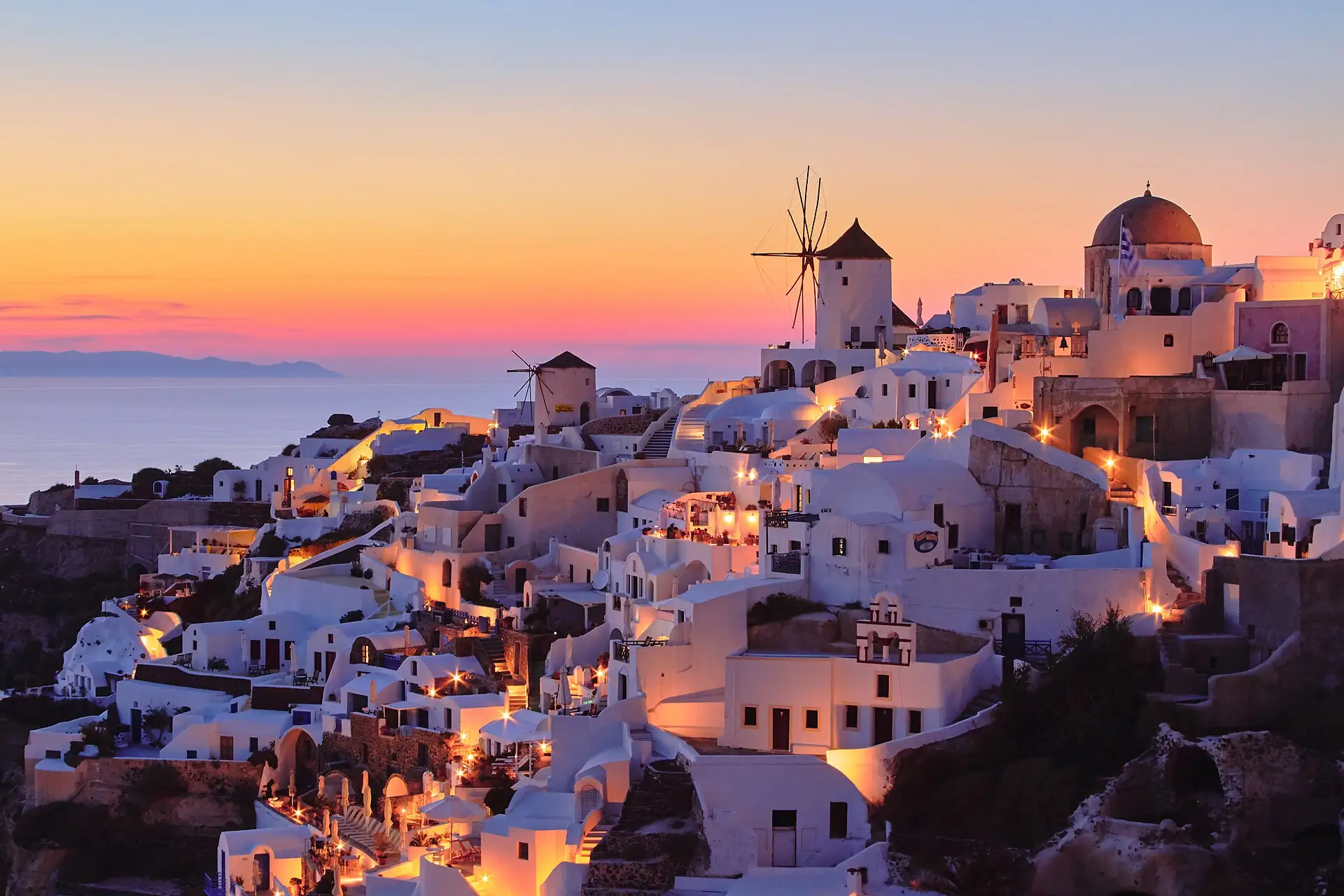
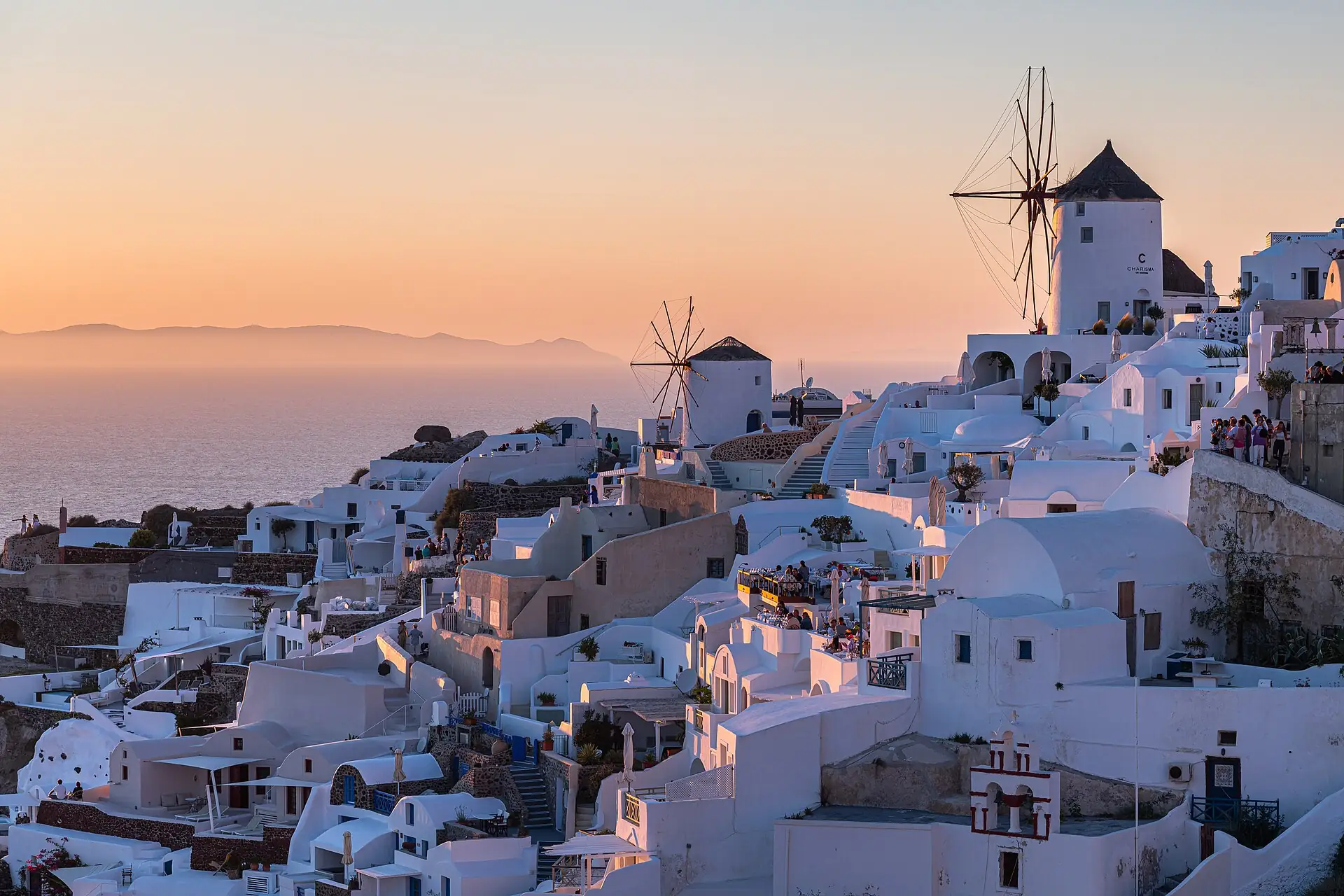
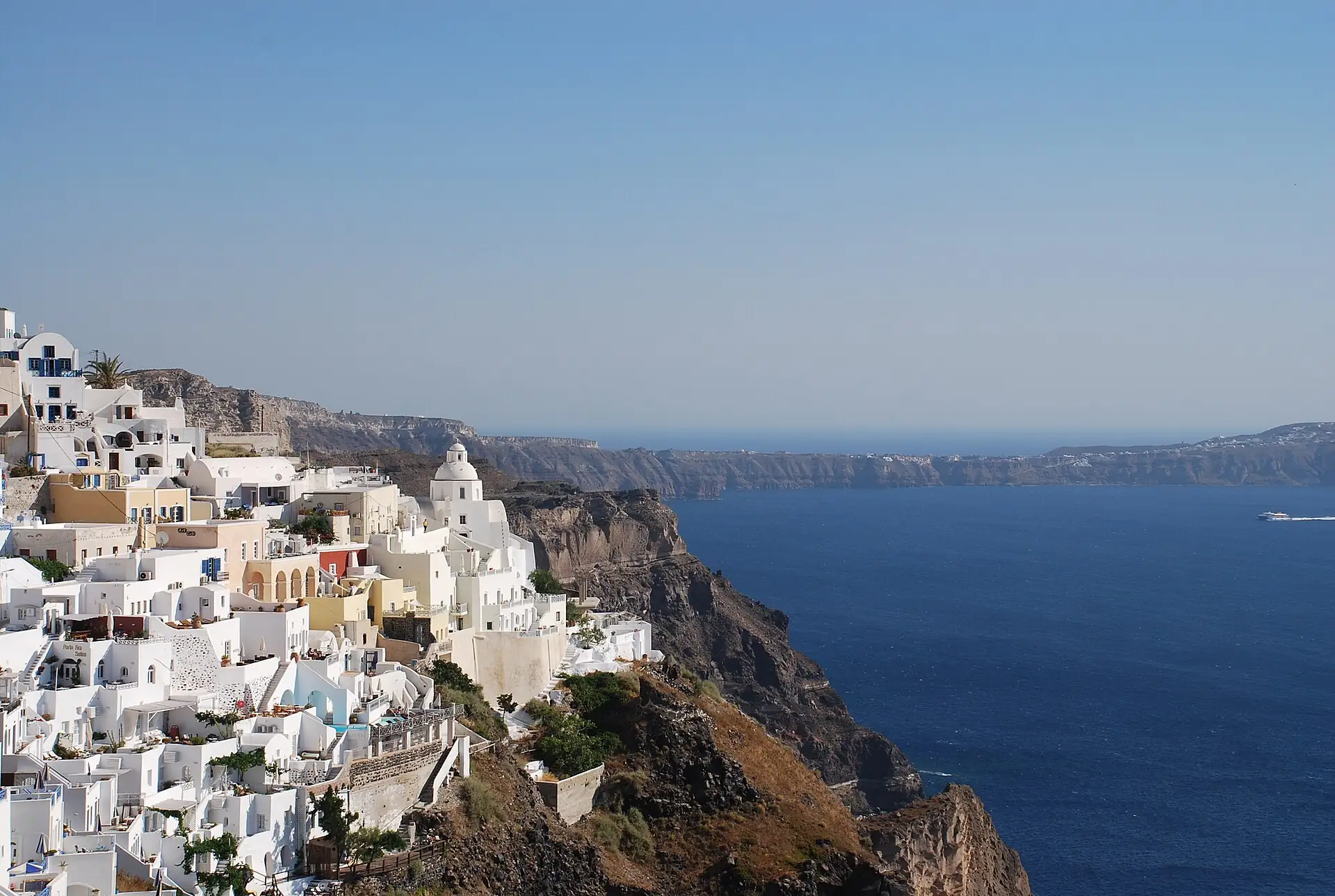
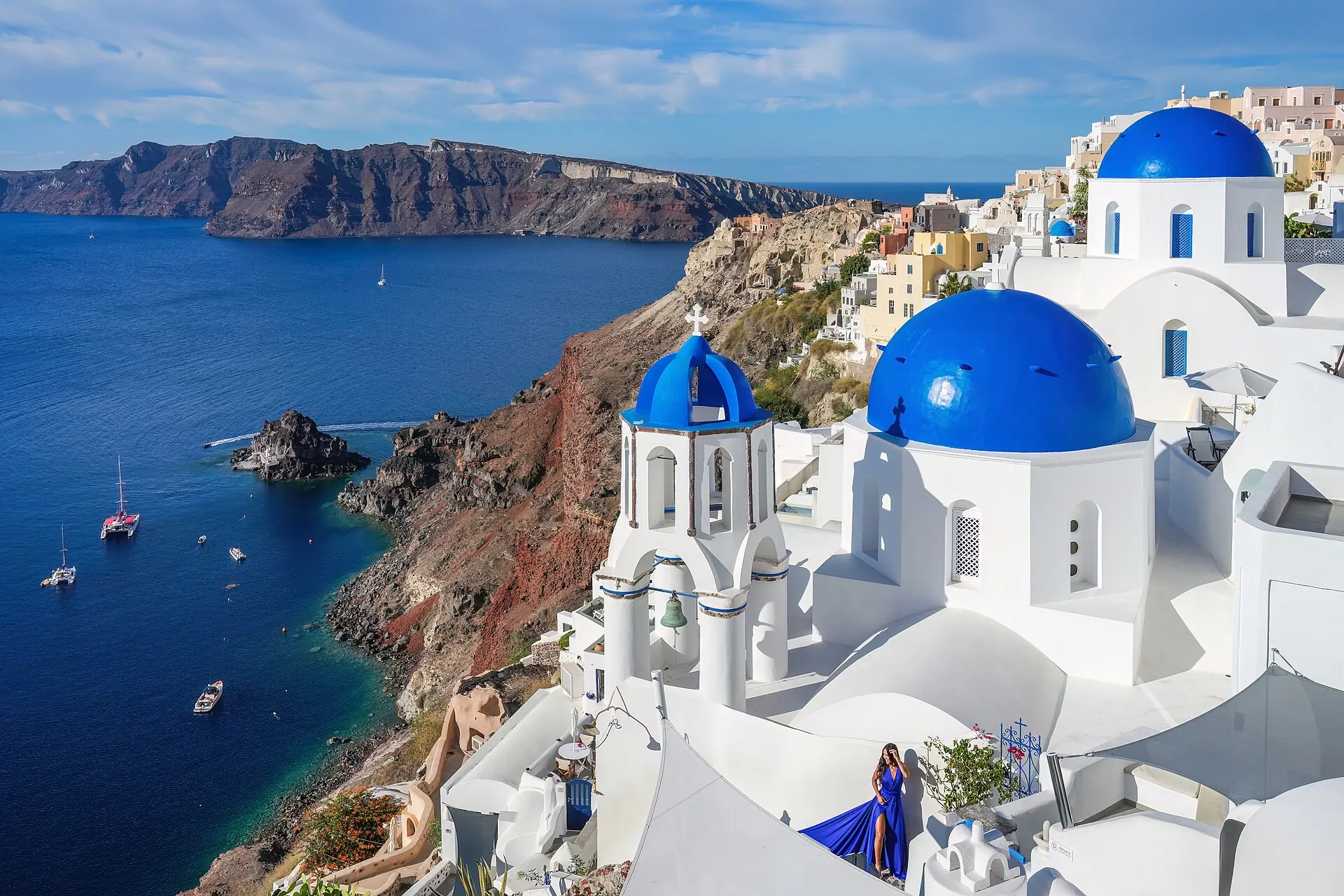
Santorini is not a secret. The island is small, and most visitors gather in the same few places at the same few hours, the caldera villages of Fira and Oia, and the famous Oia sunset. Step outside those places and hours and the island opens up: quiet lanes, empty stretches of the cliff path, tavernas where the only rush is the wind.
This guide is about practical choices rather than hidden gems: where to stay, when to come, and how to move around so the crowds stay at the edge of your trip. Schedules and openings change with the season, so check official sites before you book.
Getting there
Ferries and flights both reach the island. Flights from Athens are the quickest route; they are frequent in summer and taper off in the colder months. Ferries take longer, but arriving by sea is the better introduction, the caldera cliffs rise out of the water as you approach.
Ferries are also the usual way to arrive from other islands; island-hopping by boat is a calm way to string a Greek trip together. Schedules vary by season and can shift with the weather, especially when the summer winds are strong. Check official ferry operator sites for current schedules, and book ahead in high season, when planes and boats fill up.
Choosing where to stay
Fira is the hub: the main bus station, the most shops and services, and the liveliest streets. It is the most convenient base and the busiest. Oia is the postcard village at the northern tip, the famous views are on your doorstep, along with the sunset crowds, though its mornings are quieter than its evenings. Imerovigli, between the two, sits high on the caldera with wonderful views and little bustle, but fewer shops and restaurants.
For a different trip, look at the beach villages on the flatter south coast. Kamari and Perissa offer long stretches of dark volcanic sand and an easier walking pace, but you will need transport to reach the caldera views. The trade-off is simple: caldera villages give you views, steps and crowds; beach villages give you calm, sand and distance.
When to go
Summer is the busiest and hottest season. Everything is open and buses run often, but the crush in Fira and Oia is real, and the sunset hours are the worst of it. The shoulder seasons are the sweet spot: spring and autumn are quieter, the walking is more comfortable, and the sea is often still warm enough for swimming.
Winter is the honest opposite of summer: peaceful, often beautiful in a raw way, and very quiet. Many hotels, restaurants and shops close for the season, and ferry connections thin out. If you travel in the colder months, go knowing that quiet is the point, and confirm what is open before you commit.
The crush is real, but it is narrow, a few streets, a few hours, one sunset. Step outside it and the island breathes.
A relaxed three-day shape
Three days is enough to see Santorini without racing through it, if you shape the days by the sun and the crowds:
- Day one: settle in. Walk your own village slowly, find the caldera edge, and let the first sunset be wherever you happen to be standing.
- Day two: the caldera. Walk the cliff-top path from Fira toward Oia in the morning, or visit the ruins at Akrotiri early, then spend the afternoon over a long lunch.
- Day three: the coast. Take it slow on the beach at Kamari or Perissa, visit a winery, or return to whichever corner of the island you liked most.
The point is restraint. Santorini punishes packed itineraries; the steps, the heat and the buses do the punishing for you. Leave afternoons half-empty, and treat the island less like a checklist and more like a place to sit down in.
Beating the sunset crowds in Oia
The sunset-crowd phenomenon in Oia is real: the lanes near the famous viewpoints fill well before dusk, and getting in and out of the village at that hour is slow work. The practical answer is to move the problem. The whole caldera edge faces west, so the same sunset is visible from Fira, Imerovigli and the path between them.
If you do want the classic Oia experience once, treat it as a planned event rather than a surprise. Go early, pick a spot calmly, expect to share it, and linger afterwards instead of rushing for the exit. The village empties quickly once the sun is gone.
Getting around the island
Public buses are the island's backbone. They connect Fira, the hub, with the beach villages, Oia and the port, and in high summer they fill up, so allow extra time at busy hours. Taxis exist but are limited in number, so do not count on one at short notice.
A rental car or quad gives you the freedom to reach beaches, wineries and quiet inland villages on your own schedule, but the roads are narrow and village parking is scarce. If driving does not appeal, walking covers more ground: the cliff-top path, the village lanes and the stepped alleys between them are the best of Santorini.
Beaches, wine and the ruins
The beaches are volcanic, dark sand and pebbles, with clear water that shelves quickly in places. Kamari and Perissa on the southeast coast are the main ones, both well set up for a day of swimming in summer and much calmer outside the peak weeks.
The wine is worth a slower look. The island's vines grow low and twisted in volcanic soil, and the local whites are dry and mineral. A tasting visit or two fits easily into a relaxed trip; most wineries welcome visitors, but book ahead in summer.
The ruins at Akrotiri are the island's deep past, a Bronze Age settlement preserved by volcanic ash. It is a serious sight rather than a quick photo stop, and it gets busy, so go in the morning and take your time.
Packing and comfort
Santorini is built on a cliff, and the cliff does not compromise. Expect steps everywhere, from the port to Fira, between the caldera villages, down to the beaches, and expect them to be steep. Bring comfortable shoes that are already broken in, and think twice about heavy luggage if your room sits at the top of a staircase.
The sun is strong and shade can be scarce, so a hat, sunscreen and a refillable water bottle belong in every day bag. The wind is the other constant: the summer meltemi can arrive without warning and turn a hot afternoon cool, especially on the caldera edge and on boats. A light layer, plus a second in spring and autumn, is worth more than almost anything else in your bag.
A short checklist before you go
- Check ferry and flight schedules on official operator sites, and book ahead if you are traveling in summer.
- Choose your base by what you want from your evenings, caldera views and steps, or beach calm and distance.
- Pack broken-in walking shoes, sun protection, a light wind layer and a water bottle.
- Plan the cliff-path hike, Akrotiri and any winery visits for the mornings, when the crowds and the heat are at their kindest.
- If you are traveling outside summer, confirm that your hotel, your restaurants and the sights you care about are open.
- Decide how you will get around, bus, taxi, rental car or quad, before you arrive.