ROME
Rome in three days: a first-timer's plan
Ancient Rome, the Vatican and the walkable center in three relaxed days, with when to go, how to avoid queues and what to wear.
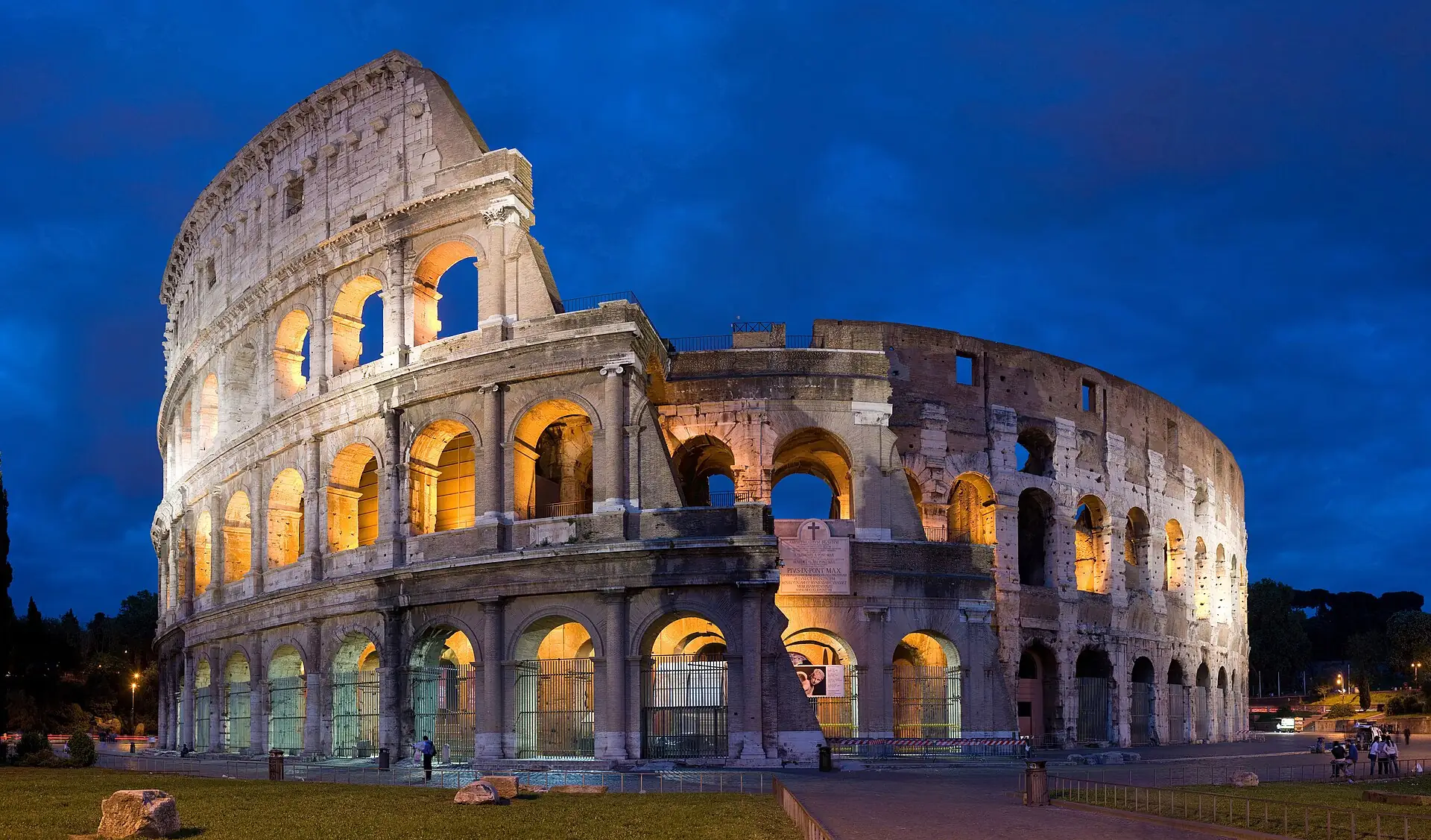
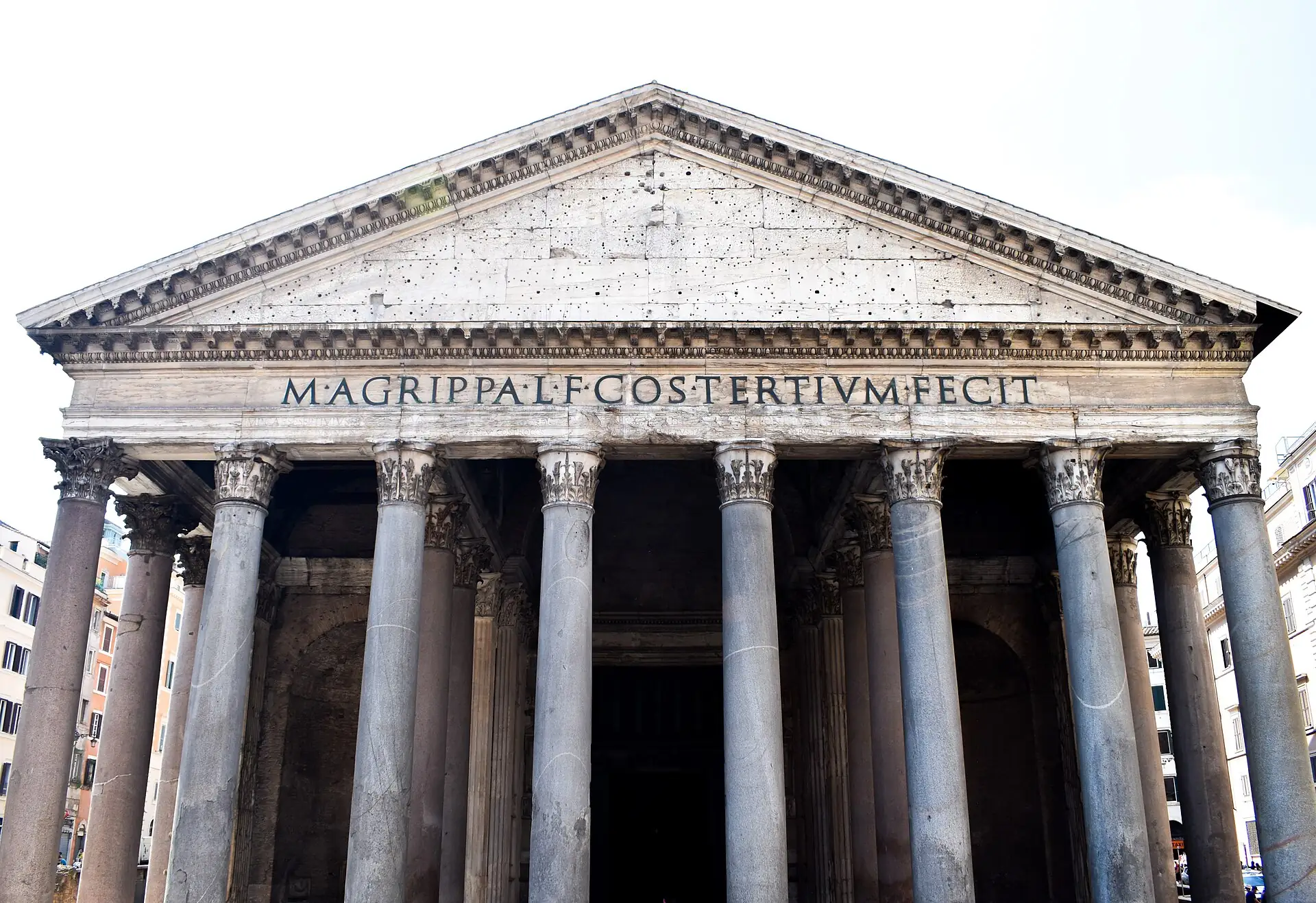
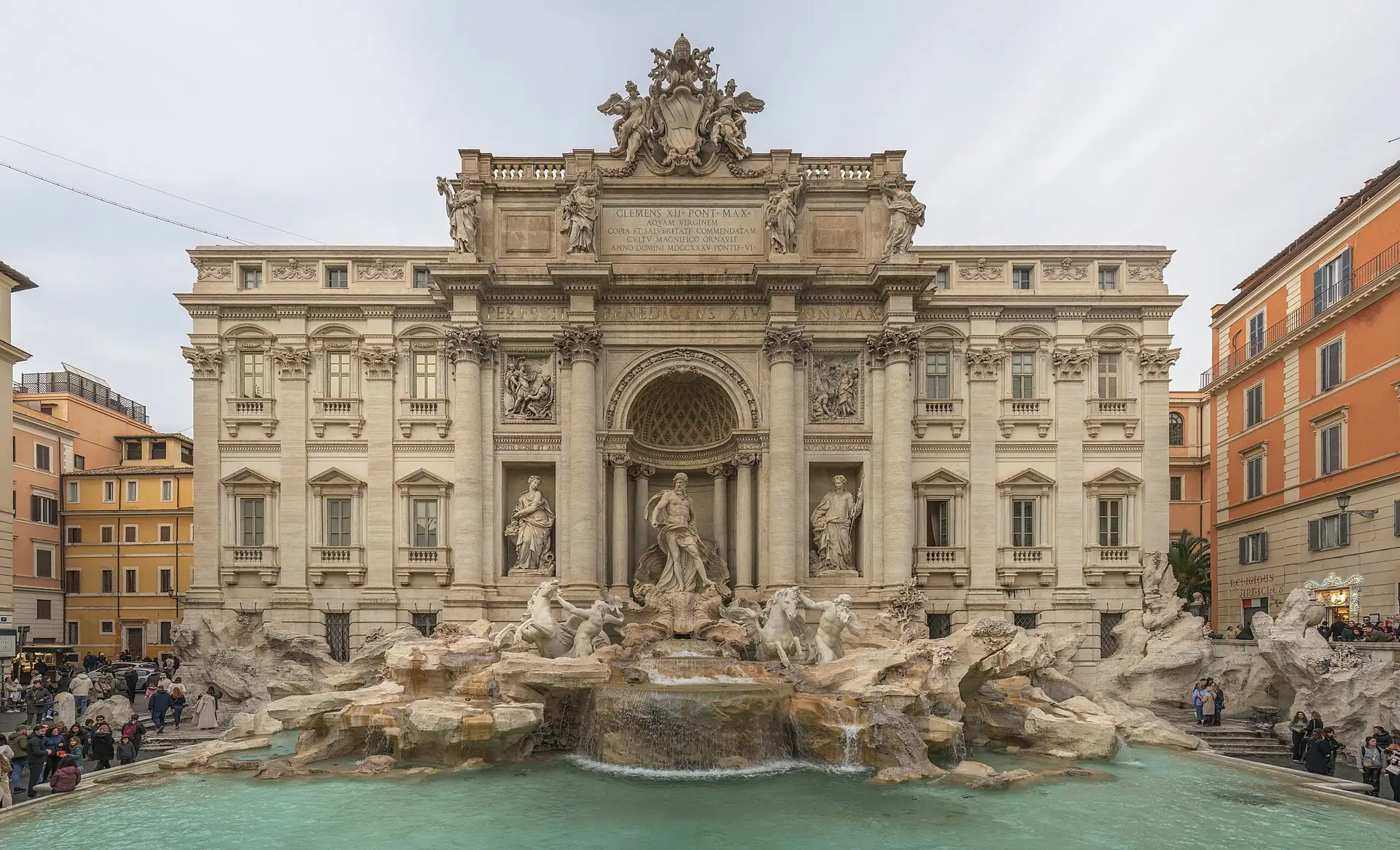
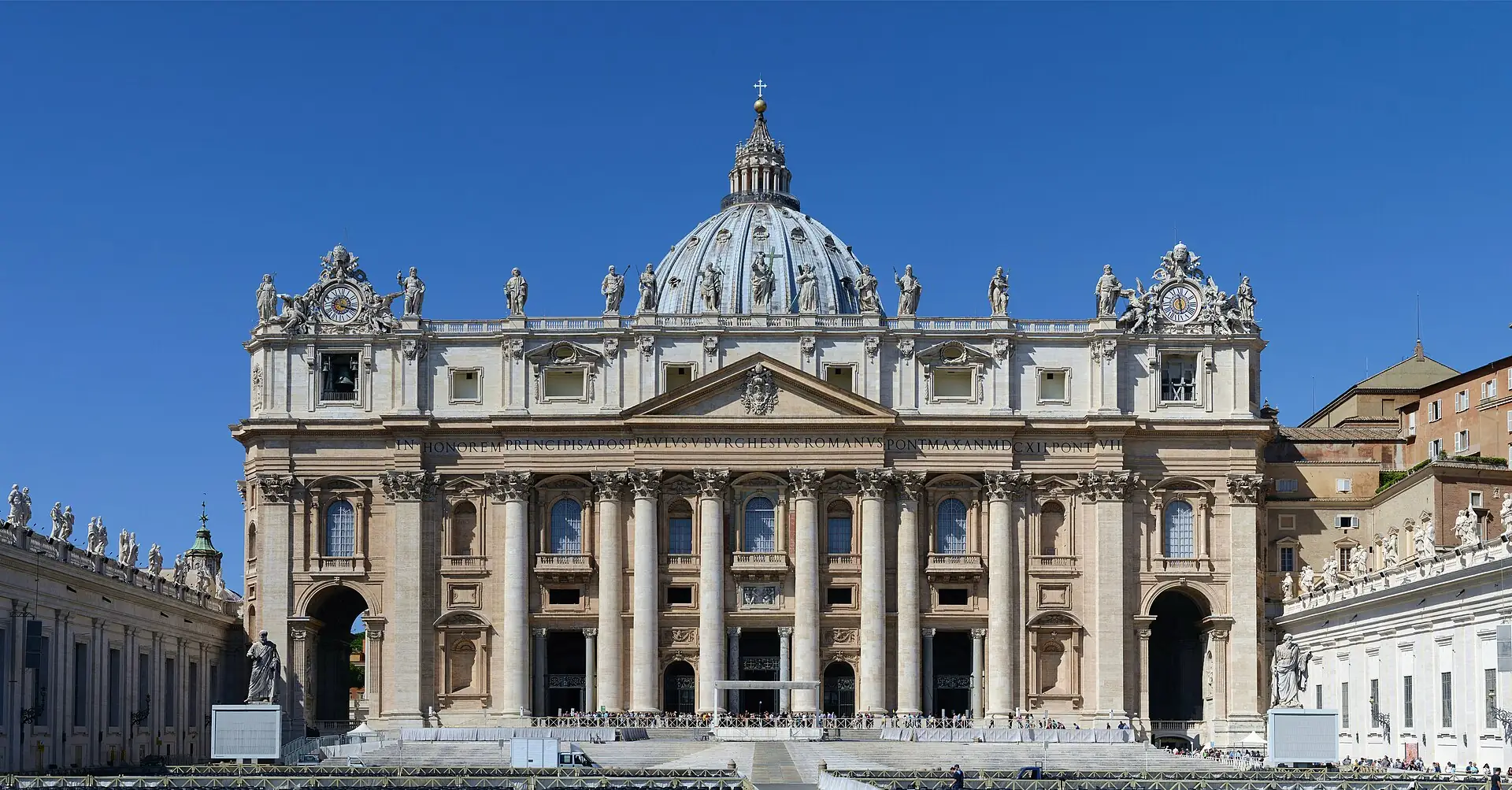
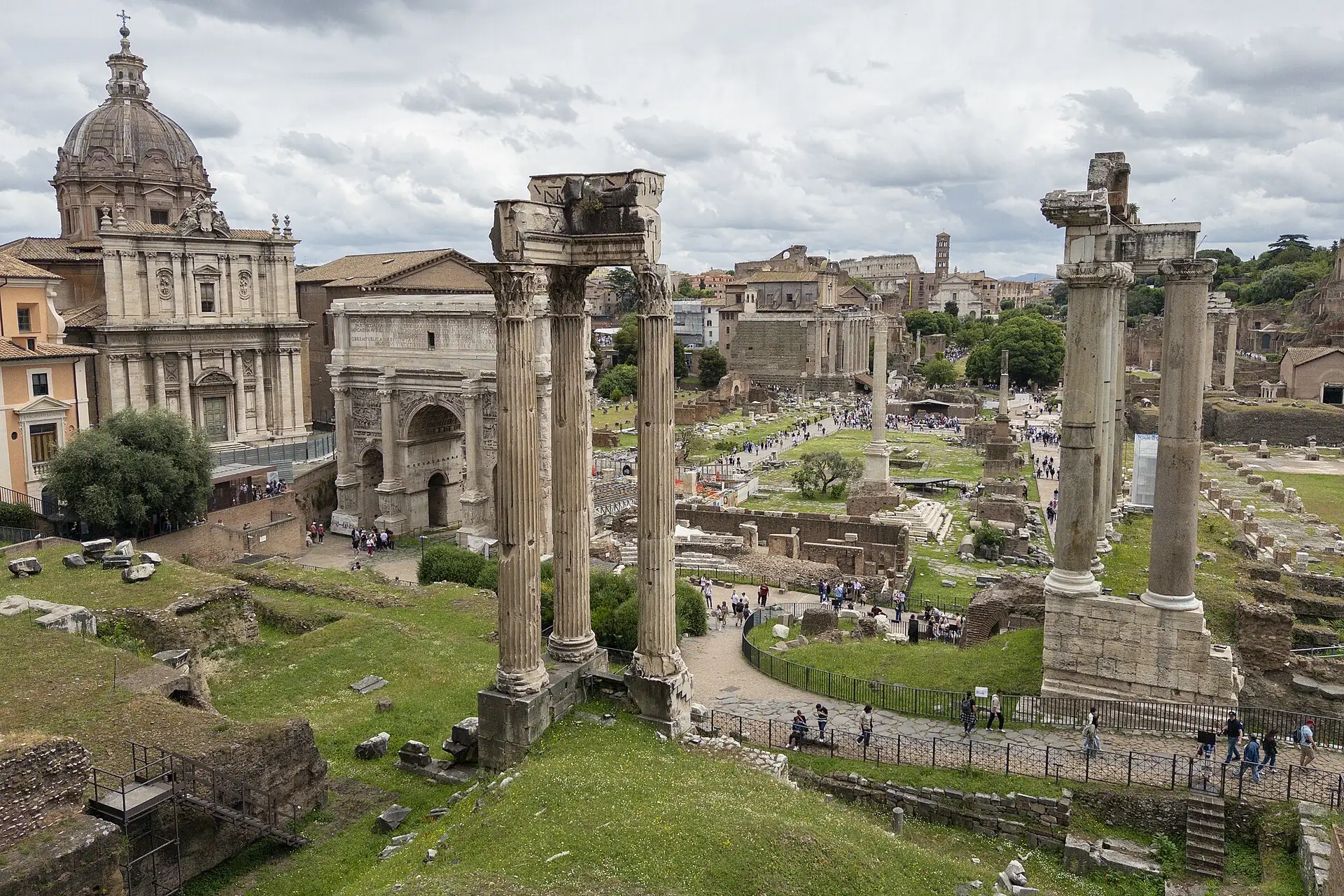
Rome in three days sounds like a rush, and it is, but a workable one. The historic center is compact, the big sights sit close together, and much of it is walkable. Three days covers the Colosseum, the Vatican, the Pantheon, a fountain or two, and a slow evening in Trastevere, if you plan lightly and leave room for wandering.
The plan assumes a first visit and a moderate pace, skips nothing essential, and avoids the classic mistake of scheduling every hour. You will see the highlights, eat well, and still sit down in a piazza with a coffee. Check official websites for tickets, timed entry, and dress rules before you travel, and treat the days below as a shape rather than a script.
Getting your bearings
Rome's center is walkable in a way few large cities are. The ancient sights cluster around the Colosseum and the Roman Forum; the Pantheon, the Trevi Fountain, and the Spanish Steps form a triangle you can cross in an afternoon; the Vatican sits just across the Tiber to the west. Most first-timers stay in that broad middle and walk almost everywhere.
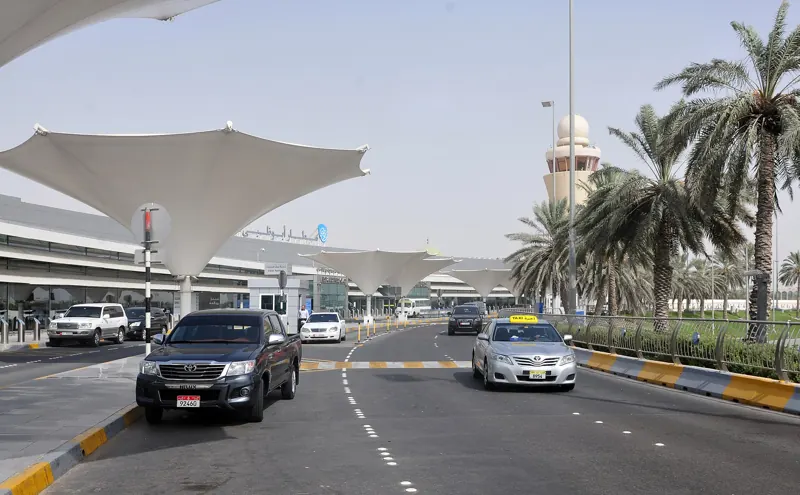
Getting in from the airport is straightforward. The express train to the main station is fastest; a taxi from an official rank is easiest with bags; and a pre-booked transfer means a driver meets you in the arrivals hall. Choose by how much energy the flight will leave you.
Day one: ancient Rome
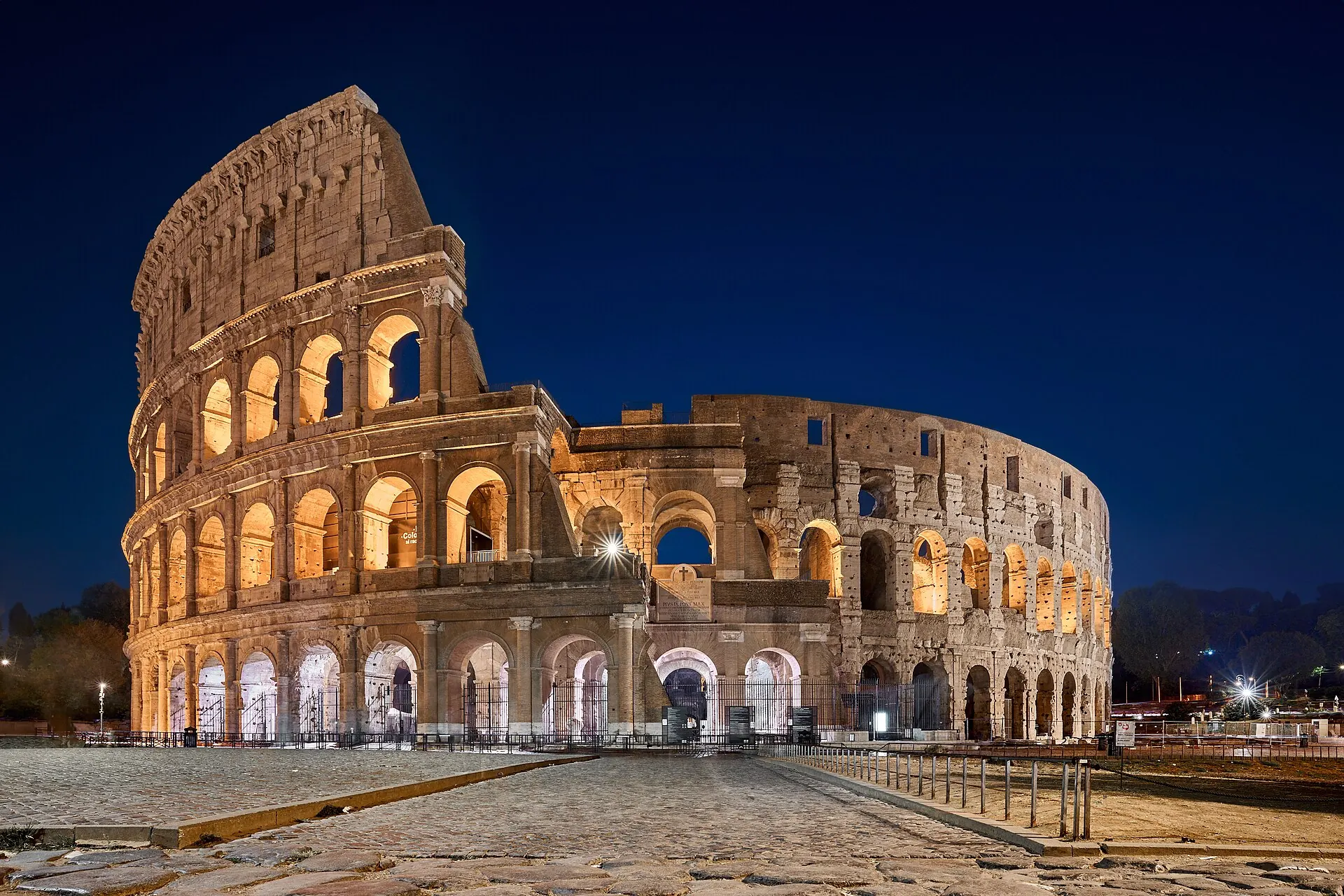
Start at the Colosseum, ideally with a timed entry reserved in advance on the official site. It is the landmark everyone asks about when you get home, and it is best visited while the day is still cool. From the upper levels the view down into the arena, and the scale of the place, do the rest.
The Roman Forum and the Palatine Hill share a combined ticket with the Colosseum and deserve a slow morning. Walk the Forum as a ruin in progress rather than a list of names: the temple columns, the triumphal arches, the paved road the Romans themselves used. From the Palatine above, you look down over it all and find shade when you need it.
Keep the afternoon loose. Crowds and heat peak around midday, so this is the day for a long lunch indoors, a rest, or a shaded wander. With energy left, the ruins around the Capitoline Hill and the Theater of Marcellus need no ticket at all.
Day two: Vatican and the river
Begin at the Vatican Museums. They are vast, and nobody sees them all; decide what matters most to you, the Sistine Chapel above all, and let the rest be a long walk past more art than you can absorb. Reserve a timed entry through the official channel before you travel; it is the one sight where arriving unplanned can spoil a day.
St. Peter's Basilica and its square sit a short walk from the museums, with their own entry and security line. Dress rules apply to everyone: shoulders and knees covered. Inside, whatever your expectations, the scale is the point: the dome, the light, and the hush that somehow holds in a building the size of a small town.
Afterward, resist the urge to rush to the next ticketed sight. Walk down to Castel Sant'Angelo, cross the river, and spend the rest of the day at street level: a long lunch, a piazza, the walk back toward your hotel. The museums take more out of you than you expect.
You will remember the unplanned hour, the piazza at dusk and the second coffee, longer than any museum hallway.
Day three: the center on foot and Trastevere
Begin early at the Trevi Fountain, before the crowds settle in, and toss your coin while it still feels like a fountain, not a photo shoot. The Pantheon is a short walk away and deserves unhurried time. Stand under the oculus and let the light do the talking.
From there, the Spanish Steps and the streets around them make a gentle morning of window-shopping and people-watching. If you prefer green to streets, the Villa Borghese gardens sit just above the steps, with a classic view back over the rooftops and the city's best escape from the noise.
Save the evening for Trastevere, the old neighborhood across the river. Its narrow lanes, ivy, and laundry lines are the Rome of postcards, and it is at its best after dark. Wander until a table looks right, eat slowly, and call it your last night in Rome.
When to go
Spring and early autumn are the sweet spots: warm enough for evening walks, mild enough for a full day outdoors. Summer is hot, and much of the center is stone and unshaded streets, so plan indoor sights for midday and carry water everywhere. August is the quiet month, when many Romans leave the city and the mood shifts.
Winter brings fewer crowds, shorter lines, and the churches and museums at their best indoors. Bring layers and expect some rain. Whenever you go, let the weather shape the plan: walk in the cool, save the grand interiors for heat or rain.
Eating well without a plan
The most dependable rule in Rome is to walk a few streets away from the big monuments before choosing a table. What you lose in view you gain on the plate; places that survive without a postcard setting have to cook better.
Roman eating runs on its own clock, later than many visitors expect, and an early table usually means dining with other travelers. Join the local rhythm and you will eat better for it. Coffee is drunk standing at the bar, quickly, and ordering it that way is the quickest route to feeling local.
Tickets, queues and dress
For the two big ticketed sights, the Colosseum and the Vatican Museums, always begin at the official websites. A timed entry bought in advance skips the worst of the waiting; arriving without one can mean a long queue or a day that is full. Rules and systems change, so check what is current close to your travel dates.
Churches, including St. Peter's and the Pantheon, ask that shoulders and knees be covered, and the rule is enforced gently but genuinely. In summer, carry a light scarf or cardigan, and the dress code stops being a worry.
Staying and getting around
The area around the Pantheon, Piazza Navona, and Campo de' Fiori puts nearly everything in this plan on foot, at the cost of a livelier and louder street scene. Monti, just north of the Colosseum, is a quieter middle ground with its own evening life. The streets near the main station are well connected but lack the old-city feel.
Most of your days will be walking, which is the point. The metro covers the long hops, the Vatican and the Colosseum each have their own stop, and buses fill the gaps. Buy tickets before boarding and validate once on board. For taxis, use official ranks or an app, and be wary of anyone who approaches you in the arrivals hall.
A short checklist before you go
- Book Colosseum and Vatican timed entries on the official sites first.
- Sort airport transport, train, taxi, or pre-booked transfer.
- Pack something to cover shoulders and knees, plus comfortable shoes.
- Bring a refillable bottle; Rome's public fountains are drinkable.
- Save an offline map and your hotel's address.
- Leave one evening unplanned; it may be the one you remember.