LISBON
Lisbon in three days: hills, trams and easy day trips
Baixa, Alfama, Belem and a day trip to Sintra or Cascais, with how to handle the hills and when to go.
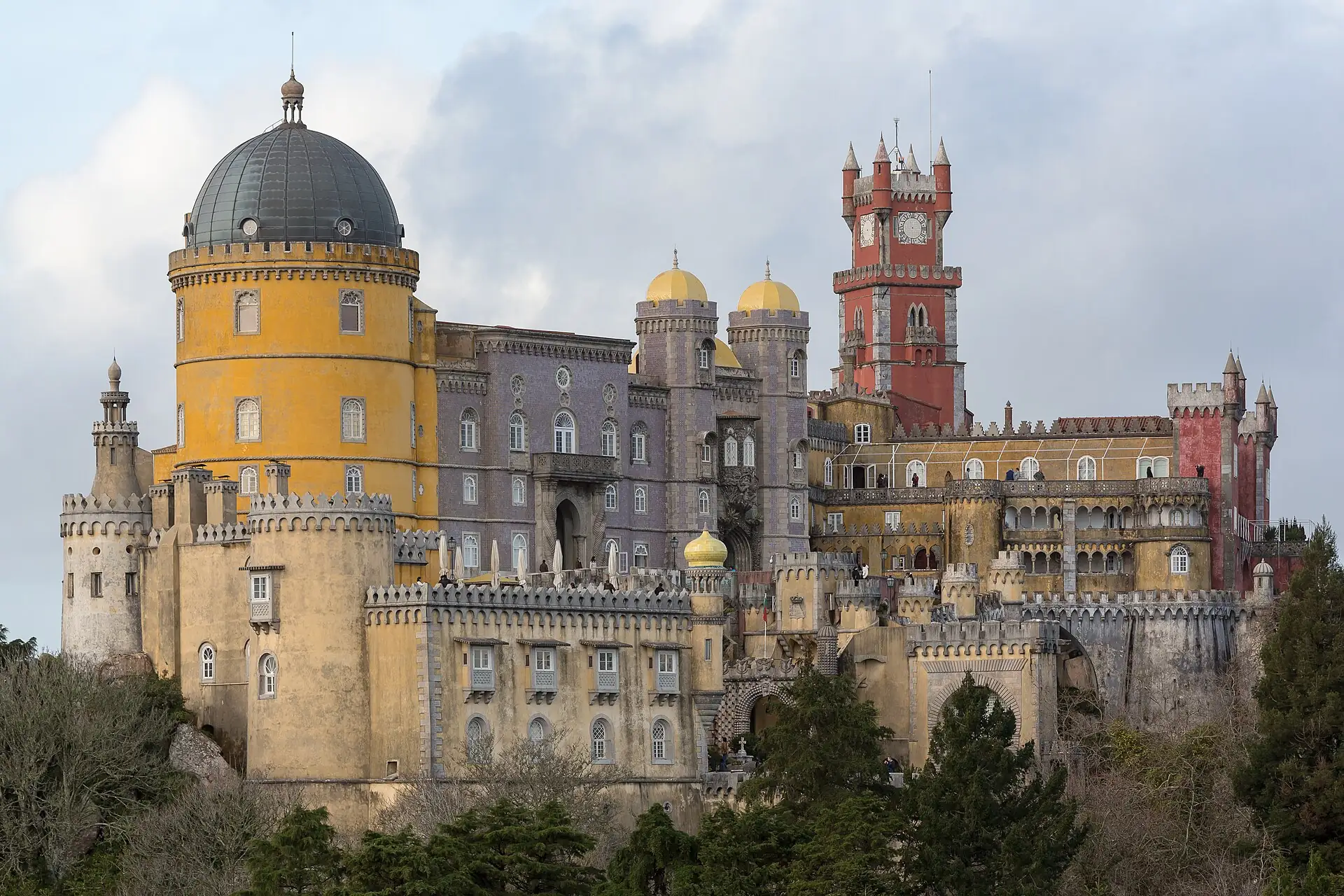
Lisbon suits a short trip unusually well. Three days is enough to walk its oldest neighborhoods, ride the famous trams, stand at a riverside viewpoint at dusk, and still escape for a day to the palaces of Sintra or the beaches of Cascais. Nothing about the city hurries you, and neither should your itinerary.
The plan below splits Lisbon into walkable chunks, with one day left open for a day trip. Adjust the order to suit the weather, a rainy day is better spent in Belem's museums than on a windswept castle wall. Where tickets or timetables matter, check the official sites before you commit.
Getting your bearings
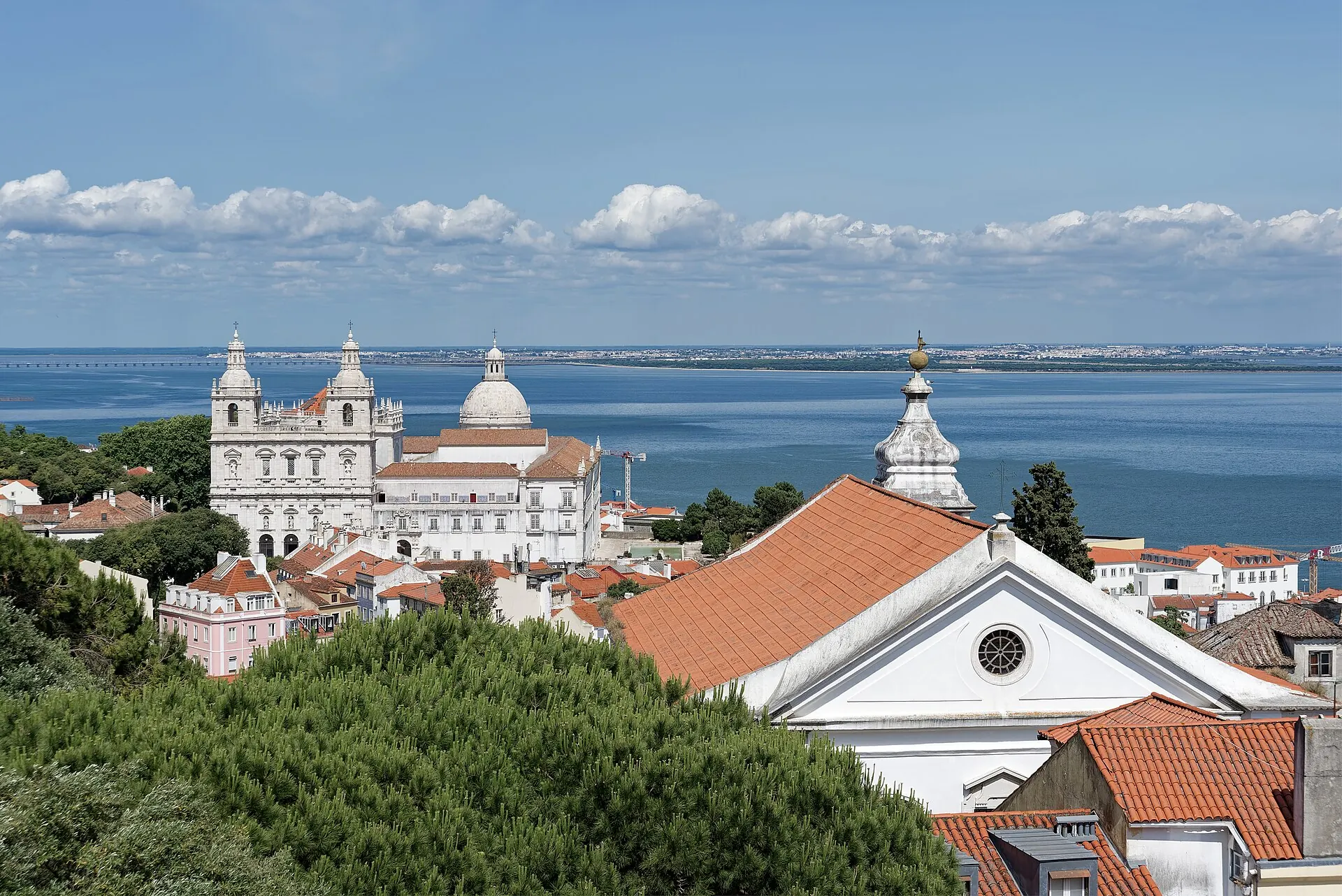
Lisbon spreads over a series of hills above the north bank of the Tagus, a wide river that opens toward the Atlantic at its mouth. The flat, grid-like center is Baixa, rebuilt after the great earthquake of 1755 with grand squares and broad avenues. To the west sit Chiado and Bairro Alto; to the east, Alfama climbs toward the castle; Belem lies downstream along the riverfront.
Most of what you will want to see sits within a small area, but small here is measured in hills, not blocks. Mornings suit the busy monuments and viewpoints, afternoons suit neighborhoods, and evenings suit dinner and a slow walk along the river. Nearly every hilltop has a viewpoint, or miradouro, and most of them are worth the climb.
Day one: Baixa, Alfama and the castle area
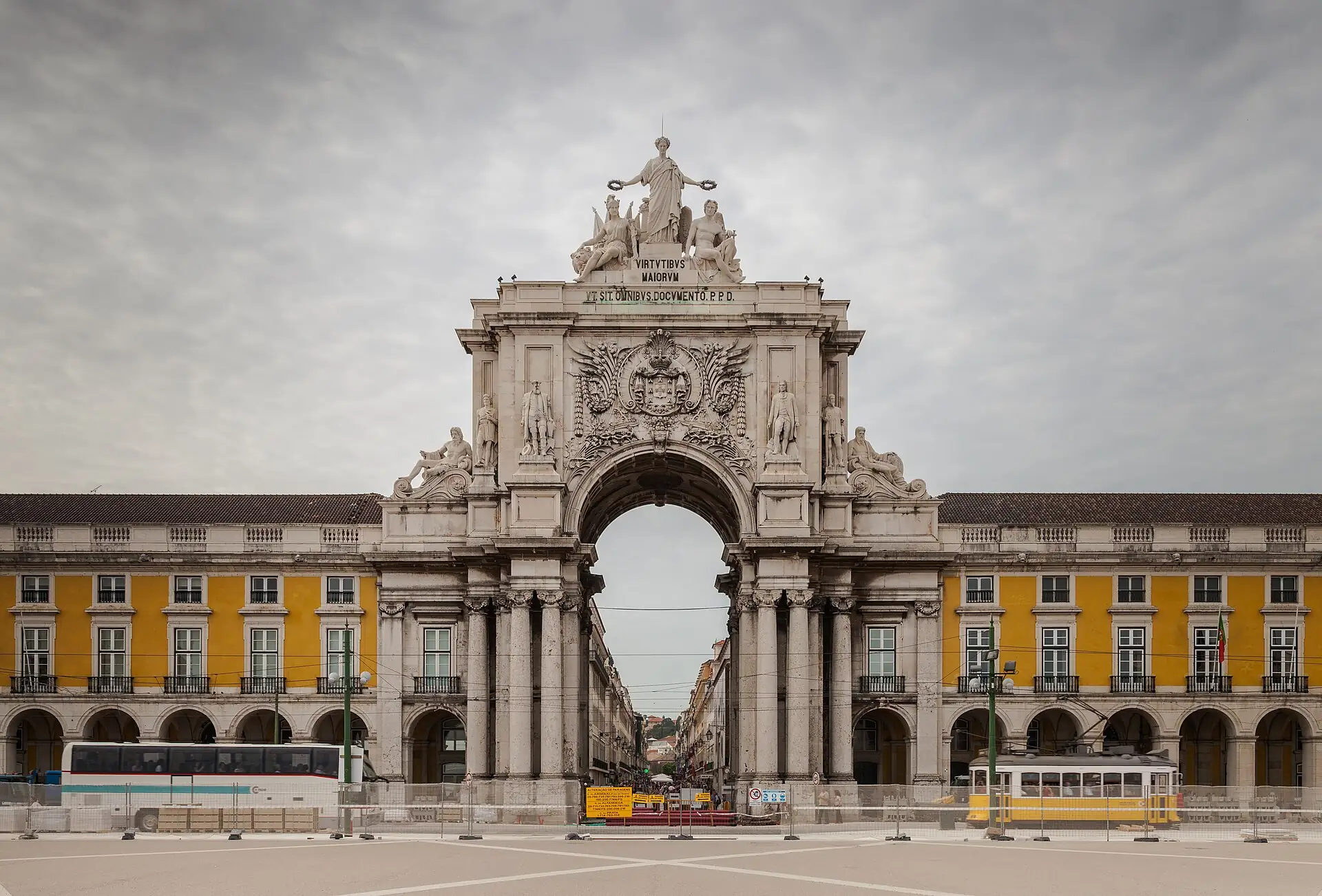
Start in Baixa, where the streets are straight and the pace is easy. Walk down Rua Augusta to Praca do Comercio, the great riverside square, and take a moment at the water's edge. The Tagus is the city's calmest feature, and you will keep returning to it.
From Baixa, climb into Alfama, the oldest quarter and the only one to survive the great earthquake largely intact. Its streets are narrow, stepped, and gloriously impractical, which is the point. Give yourself no fixed route; follow the lanes uphill past tiled facades and tiny squares until you reach Castelo de Sao Jorge, whose ramparts look out over red rooftops to the river.
In the evening, choose between Alfama's quiet lanes, where fado drifts from open doorways, and Bairro Alto, which wakes up late and stays up later. Neither needs a plan; you only need an appetite and a tolerance for hills after dark.
The real itinerary in Lisbon is the one you abandon by mid-afternoon, when a miradouro and a coffee simply seem like more.
Day two: Belem and the riverfront
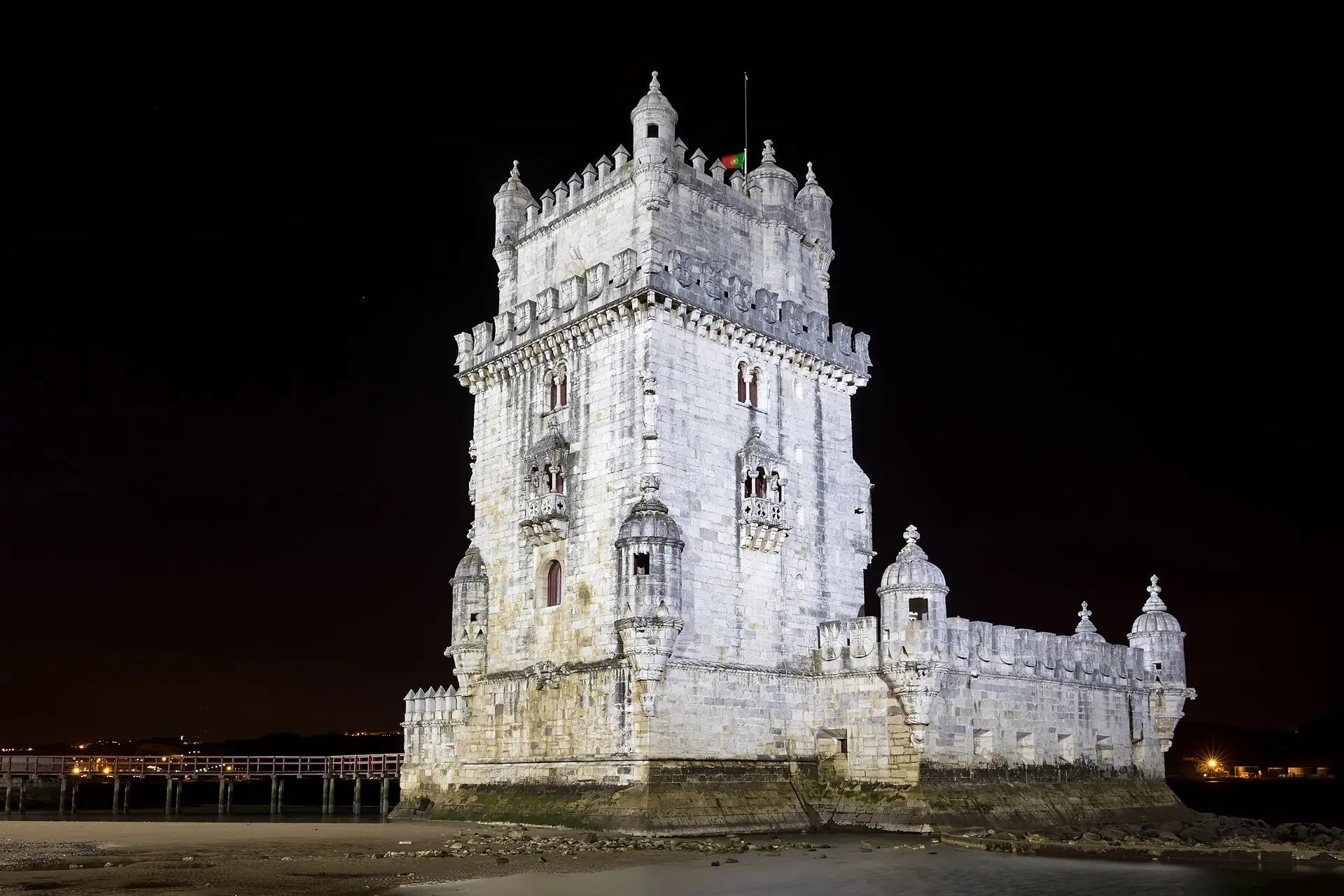
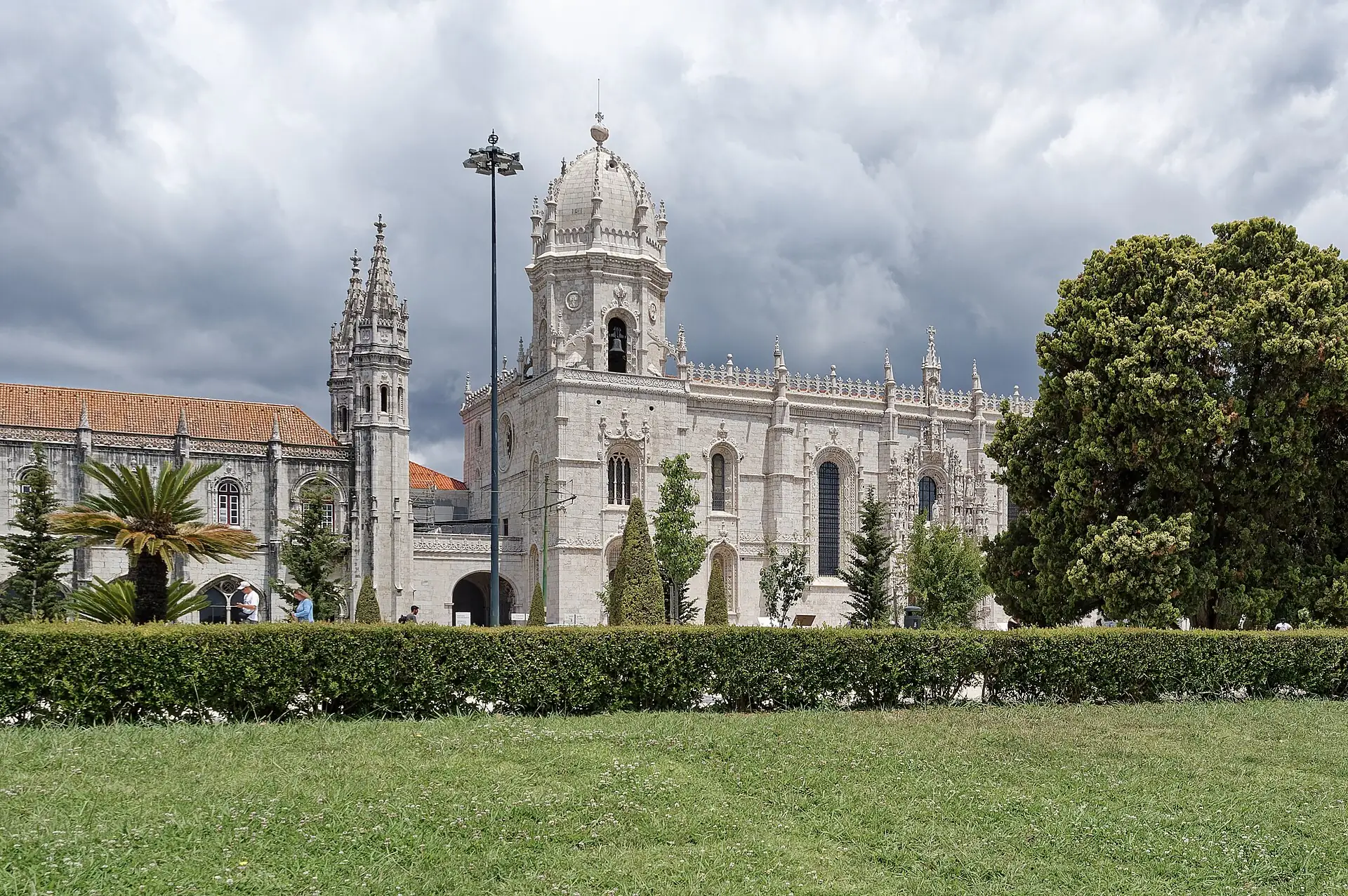
Belem sits a short tram or train ride west of the center, packing several of Lisbon's grandest sights into one riverside stretch. The Jeronimos Monastery, a vast monument to Portugal's age of discovery, deserves unhurried time, and the Tower of Belem keeps watch over the water nearby. Both are among the city's most visited places, so check the official sites for tickets.
The district is also the spiritual home of the pastel de nata, the small custard tart that has become a national symbol. Eating one warm, dusted with cinnamon, beside the river is a ritual rather than a snack. Between sights, the promenade and its gardens make a gentle walk, with the great bridge and the Christ statue across the water as company.
Day three: a day trip to Sintra or Cascais
Sintra, a short train ride from central Lisbon, is a hill town of palaces and gardens wrapped in cooler, greener air. The fairytale Pena Palace on its summit is the headline, but the town itself, steep lanes, old villas, mossy walls, is reward enough. Expect crowds on weekends; an early start and tickets bought through official channels make the day smoother.
If crowds and switchbacks do not appeal, take the train the other way to Cascais, an easygoing seaside town on the Atlantic. The ride runs along the coast, and the town delivers what it promises: a harbor, a beach or two, long lunches of grilled fish, and a promenade made for slow walking.
The hills and getting around
Lisbon is genuinely hilly, and its sidewalks are beautiful polished stone that turns slick when it rains. Good walking shoes are the difference between loving the city and being defeated by it.
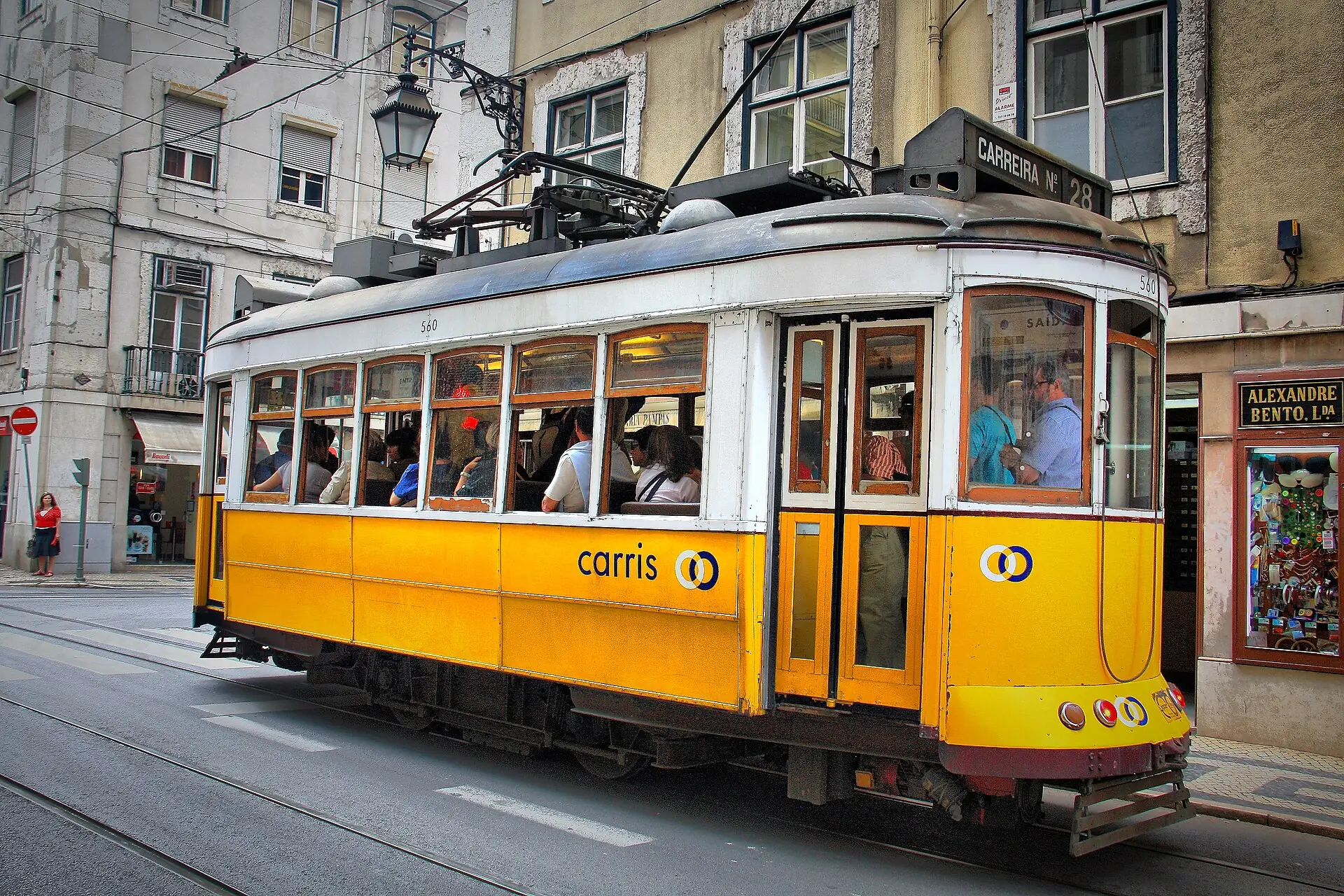
The city's transport is charming but has quirks. The old trams, especially tram 28, are a moving postcard, and everyone knows it, so queues can be long and the cars crowded. Ride one once for the experience, but treat the metro and buses as your working transport. Taxis and ride-hailing cars are plentiful for late nights and hilltop rescues.
For any journey that matters, airport transfers, day-trip trains, the old funiculars, check current routes and tickets on the official transport sites or apps rather than relying on memory. A two-minute check saves a queued-up mistake.
When to go
Lisbon's winters are mild and its summers hot, which makes spring and early autumn the sweet spots: warm days, cool nights, and fewer visitors than at the peak. June brings the city's traditional street festivities, and with them crowds and a celebratory noise that some travelers love and others schedule around.
Whenever you come, plan for sun protection in summer and a rain jacket in the cooler months. The city is outdoor by nature, viewpoints, terraces, riverside walks, and the weather shapes the day more than in most capitals.
Eating and drinking without a plan
Lisbon eats late, simply, and well. Lunch can stretch past two in the afternoon and dinner rarely starts early; the rhythm is part of the appeal, so loosen yours to match. Small neighborhood eateries, the tascas, serve grilled fish, bacalhau, and honest daily plates. Wander, look for a full room of locals, and sit down.
Between meals, the pastry culture does the heavy lifting: a pastel de nata with a coffee at a standing counter is the standard fuel stop. In the evening, a glass of wine at a bar's open door, or a small cherry liqueur known as ginjinha, is ceremony enough. If a place is full, try the one next door.
Where to stay
For a three-day visit, stay central. Baixa and Chiado put you in the flat, connected middle of everything, with the river, the metro, and the main squares nearby. Alfama is atmospheric, often the most atmospheric choice in the city, but its steep lanes and stepped alleys mean every return home is a climb.
Bairro Alto suits night owls and shrugs at sleep. If you want its energy without its late noise, look just below or beside it in the quieter streets around Chiado or Principe Real, which offer calm and easy access to both the center and the viewpoints.
A short checklist before you go
- Book a stay in Baixa, Chiado, or a nearby central neighborhood so the city works on foot.
- Check official websites for the monastery, the castle, and any day-trip sights for current tickets and entry rules.
- Pack the one thing that matters most: comfortable, grippy walking shoes for hills and cobblestones.
- Load offline maps and a ride-hailing app, and check official transport sites for current tram, train, and funicular routes.
- Leave one afternoon unscheduled; Lisbon's best hours tend to arrive unplanned.
- Check the forecast a day out and swap Sintra for Cascais, or the reverse, if the weather argues for it.