PILGRIMAGE
Planning an Umrah trip: flights, hotels, transport and the practical details
Choosing dates, flying into Jeddah or Madinah, how hotel distance shapes each day, moving between cities, mobile data, health and packing.
Umrah can be planned at almost any time of year, which is part of what makes it different from Hajj. There is no single fixed window, and many travelers build the whole trip around their own calendar, their budget, and the time they can take away from work or school. For a first-timer, though, the planning can feel unfamiliar: two holy cities, a long international flight, a visa, a hotel that shapes your daily routine, and a great deal of walking.
This guide walks through the practical side of the trip, flights, hotels, transport, data, documents, health, and packing, in plain terms. It is written for travelers coming from North America and Europe, and for families bringing children or older relatives. For anything to do with religious practice or the rites themselves, consult a trusted scholar or the group or agent you travel with. For visas, entry rules, and health requirements, always use official Saudi government channels and your own country's official travel advice.
Choosing your dates
Umrah is performed throughout the year, apart from restricted periods around Hajj, so confirm the permitted dates on official Saudi channels before you fix anything. Within those dates, the first decision is simply when you can travel. Many people plan around school holidays, annual leave, or the weather they are used to, and there is no wrong answer. What matters is understanding how your dates change the trip.
Ramadan and the school-holiday periods are the busiest stretches of the year. Hotels fill, flights cost more, and the areas around the mosques are at their most crowded, which some travelers welcome and others prefer to avoid. If your dates fall in a busy period, book your flights and hotels earlier than you normally would, and expect fuller airports and fuller streets. Whatever you plan, check the current entry and permit arrangements through official Saudi government channels, since they can change during the busiest weeks.
Plan the trip around your own pace, the rituals are short, but the walking, the waiting, and the crowds are what take time.
Flights to Jeddah or Madinah
There are two main gateways for Umrah travelers. Jeddah is the airport closest to Makkah, while Madinah has its own international airport. Many itineraries fly into one city and home from the other, which lets you visit both without doubling back.
When you search, compare a few nearby dates rather than a single one. Long-haul fares move around from day to day, and leaving a day or two earlier or later can change both the price and the connections. Also consider alternate departure airports, and morning arrivals, if you want to settle in before the first full day.
Give yourself a buffer, too. These are long journeys, often with one or two connections, and jet lag is real. Arriving a day before anything demanding makes the first days gentler, especially with children or older relatives.
Where to stay, and why distance matters
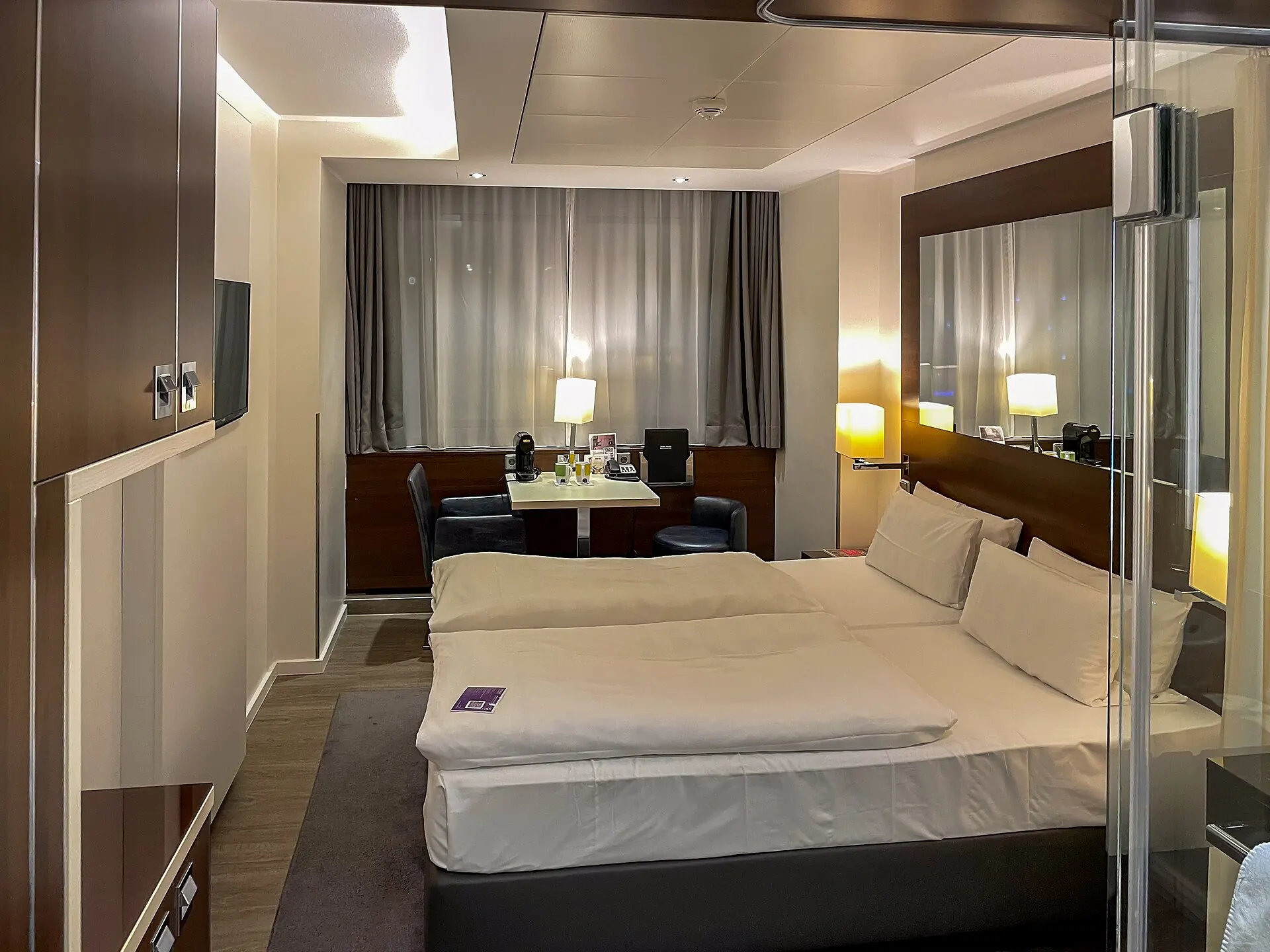
In Makkah, the most important choice is how far your hotel is from the Haram. You will make that walk several times a day, so a hotel that is genuinely close changes the whole rhythm of the trip, and one that is farther away adds a walk in each direction, every time. For older relatives and small children, that distance is often the difference between an easy trip and a tiring one.
As a rule, the closer the hotel, the higher the price, and hotels a little farther out often cost less and run shuttle buses instead. If a shuttle matters to you, ask how often it runs and whether it runs at night, rather than assuming. In Madinah, the same logic applies around the Prophet's Mosque, though the distances can feel shorter.
Getting around between cities and from the airport
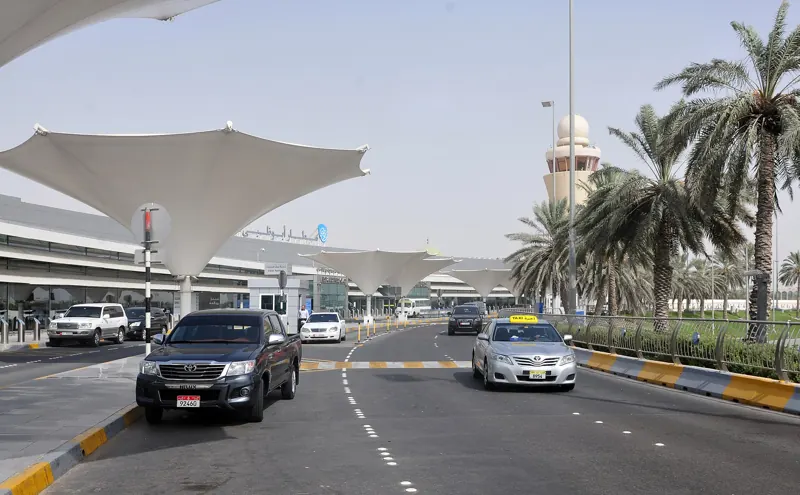
A high-speed rail line links Makkah, Madinah, and Jeddah, and it is a comfortable, straightforward way to move between the cities. Many travelers pair it with a private car transfer for the first and last legs of the trip.
Airport transfers are worth arranging in advance. After a long flight, with luggage and family in tow, having a driver waiting removes the first moment of stress, and a pre-booked transfer is arranged before you arrive. Within the cities, taxis and ride-hailing apps are widely used; near the Haram, traffic moves slowly at peak times, and walking is often quicker than a car.
Staying connected with mobile data
You will use your phone constantly: maps, ride-hailing, translation, checking in with your group, and reaching family back home. Arranging data before you leave means you land with everything already working.
An eSIM is worth setting up in advance, your phone connects as soon as you land, and you skip the queues and paperwork of buying a local SIM. Check your home carrier's roaming rates first, since an eSIM or a local SIM is often the better deal. Also save offline maps of Makkah and Madinah before you leave, and keep copies of your bookings and documents on your phone and on paper.
Health, insurance, and documents
Start with the paperwork. Check your passport's validity, apply for your visa through official Saudi government channels, and read your own country's official travel advice for current entry and health requirements. Keep printed copies of your visa, bookings, and passport pages with you, and leave copies with someone at home.
This is also a physically demanding trip: long flights, heat, and a lot of walking. Drink water steadily, wear broken-in shoes, and rest when you need to. If you take regular medication, bring enough for the whole trip plus a buffer, keep it in your hand luggage, and carry a copy of the prescription. Check vaccination and health guidance on the official channels well before you travel, and speak to your doctor about anything specific to you.
Travel insurance is worth taking seriously (here is what to check in a policy). Look for a policy that covers medical care and trip disruption, and read the wording carefully. If anything is unclear, ask the insurer before you buy.
Packing and pacing for comfort
Pack light, loose clothing and layers: the outdoors can be hot, while indoor spaces are often strongly air-conditioned. Broken-in, comfortable shoes matter more than almost anything else you will pack, blisters on the first day make every day after harder.
If you are traveling with older relatives, build rest into the day: rest between prayers, take the easier route, and do not try to see everything on the first day. For children, bring quiet things to do, water and snacks, and a wristband with your phone number in case you are separated. Agree on a meeting point at the start of each outing, and keep the first days deliberately light.
A short checklist before you book
- Check your passport's validity, and confirm current visa, entry, and health requirements through official Saudi government channels and your own country's official travel advice.
- Compare flights into Jeddah and Madinah across a few nearby dates, including flying into one city and home from the other.
- Book hotels early if you are traveling during Ramadan or a school-holiday period, and check the real walking route from the hotel to the Haram.
- Arrange your airport transfer and any intercity train or car travel in advance.
- Set up an eSIM or local data plan before you leave, and save offline copies of your bookings and documents.
- Sort out travel insurance, your regular medication, and, for anything about the rites, the questions you want to put to a trusted scholar or your group's leader.