BALI
Bali for first-timers: where to stay and how to get around
Choosing a base, wet and dry seasons, getting around, temple etiquette and day trips on the island of the gods.

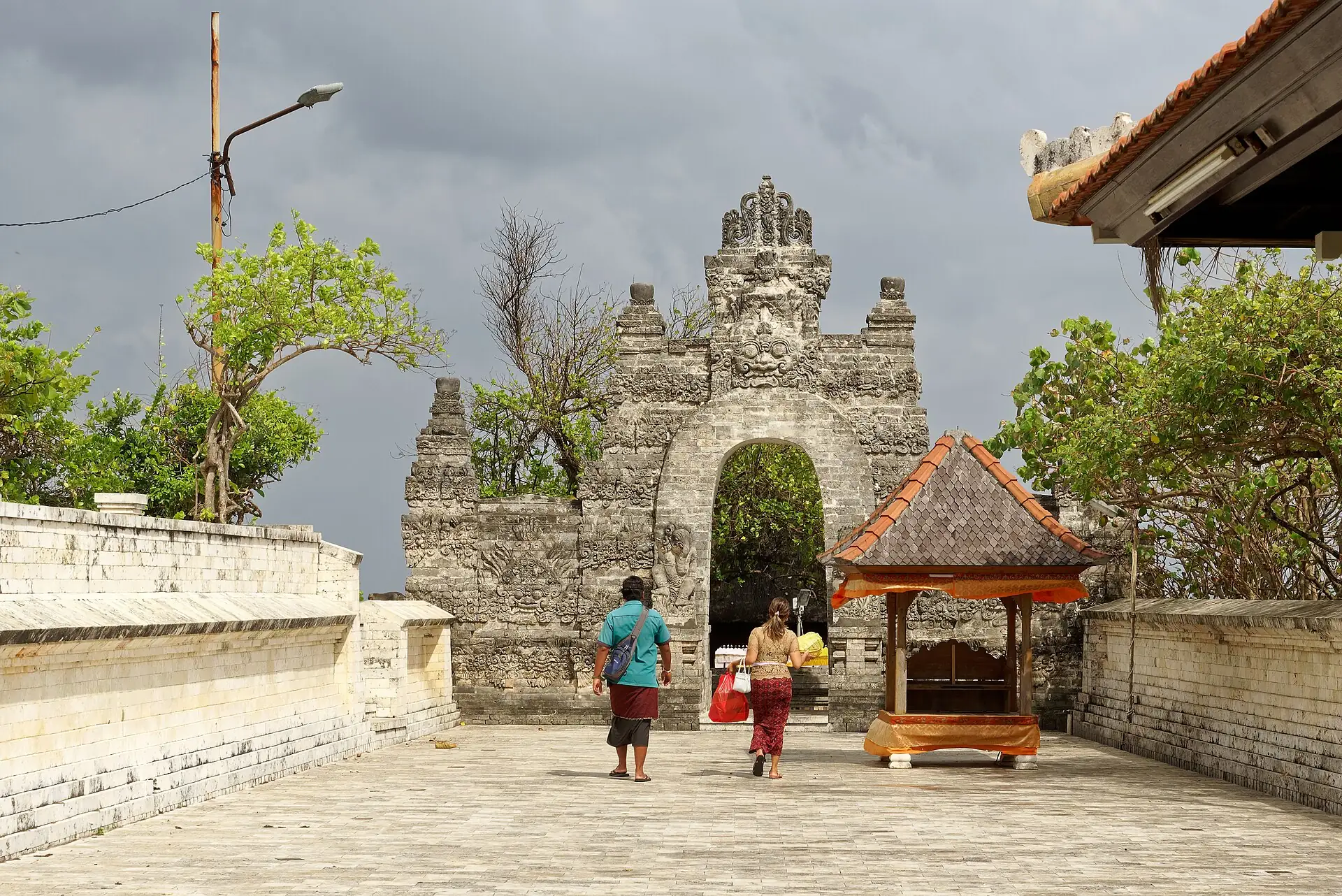



Bali arrives in your imagination long before you land: terraced rice fields, clifftop temples, offerings on every doorstep. The island mostly delivers on that picture, but first-time visitors underestimate how spread out it is. Distances look short on a map, and traffic stretches them. The trick is not seeing everything. It is choosing a base you like, staying put, and letting the island set the pace.
Everything else follows from two decisions: where you sleep, and how you move around. Get them right and Bali feels unhurried and generous; get them wrong and you spend much of the trip in a car. This guide covers both, plus a realistic week, temple etiquette, day trips, and the small practicalities that make the difference.
Choosing a base
Bali's character changes every few miles, so the first choice is really about the kind of trip you want. Think of the island as a handful of familiar areas rather than one continuous destination.
- Ubud, the cultural heart: jungle, rice terraces, temples, and crafts. No beach, but most visitors end up loving it.
- Canggu, surf, casual places to eat, a younger crowd, and traffic to match.
- Seminyak, a polished beach town with shopping, dining, and long sunsets.
- Uluwatu, clifftop views and surf breaks, with quieter stays along the peninsula.
- Sanur, a calm, flat waterfront and a gentler pace, favored by families.
- Nusa Dua, a resort enclave with big hotels and manicured beaches.
Each area trades something. Ubud trades the ocean for culture; Canggu trades calm for energy; Nusa Dua trades local character for convenience. For a first trip, resist the urge to change hotels every two nights, packing up and relocating can eat half a day in traffic. Two bases in a week is plenty.
When to go
In general terms, Bali has a dry season, roughly April through October, and a wet season, roughly November through March. The dry season brings reliably sunny days and busy beaches; the wet season brings short, heavy downpours, often in the afternoon, and a greener, quieter island.
Neither season is a bad time to visit. Many travelers like the shoulder months between them, when the weather is shifting and the crowds are thinner. If your dates are flexible, choose by what matters: sun and surf, or lush landscapes and fewer people.
Getting around
The single most useful thing to know about Bali is that traffic is heavy and distances feel long. A drive that looks like a quick hop on the map can eat half a morning. Plan fewer things per day than you would elsewhere, and try not to cross the island and back in a single outing.
In practice, most visitors get around three ways. Private drivers are common, bookable for a day or half day, often through your accommodation, a comfortable way to see several sights without thinking about roads. Ride-hailing apps are widely used for shorter hops, and hotels can arrange airport and inter-area transfers.
Scooters are everywhere, and riding one looks easy. It carries real risk: roads are busy, conditions vary, and crashes involving visitors happen often. Only ride if you hold the correct license and insurance and ride regularly at home; otherwise, let someone else drive.
The island does not reward rushing. Plan less, linger more, and let the traffic be your excuse to stay put.
A flexible week
A good first week might be three nights in or near Ubud for temples, terraces, and the quieter inland rhythm, then four nights in one southern base, such as Sanur, Seminyak, Canggu, or Uluwatu, for beaches, day trips, and the ocean. Two bases keeps moving to a minimum and gives you two distinct Balis.
Within that, aim for one main outing each morning and leave afternoons loose for a pool, a long lunch, or a wander. The moments you remember tend to be unplanned: a procession crossing the road, a warung meal, a sunset that stops everyone on the beach.
Temples, dress and respect
Bali is predominantly Hindu, and its temples are living places of worship, not just sights. Dress modestly when visiting: shoulders and knees covered for everyone. Many larger temples lend or rent sarongs and sashes, but bringing your own sarong is simpler, and it doubles as a beach wrap.
You will notice small woven baskets of flowers and incense, called canang sari, on pavements, steps, and shrines. These daily offerings are sacred. Step around them rather than over them, and never move one for a photo. If a ceremony is under way, watch from a respectful distance and ask before photographing people.
A calm, unhurried manner goes a long way. Point with an open hand rather than a finger, and if you are unsure whether something is allowed, ask, the answer is usually given with a smile.
Day trips and islands
Nusa Penida is the classic island day trip, reached by boat from the southern and eastern coasts. Its coastline is dramatic and the water clear, but the seas can be rough, the boats basic, and the island's roads slow. Treat it as a full day, and book through a provider your accommodation trusts.
Closer to base, day trips are a matter of picking a direction: waterfalls and rice terraces inland from Ubud, clifftop temples along the southern coast, calmer snorkeling spots on the north shore. Check the distance honestly against Bali traffic before you commit, one good excursion beats two rushed ones.
Money, connectivity and practicalities
Cards are widely accepted at hotels, restaurants, and shops in tourist areas, but cash still rules at markets, small warungs, and for parking and temple donations. Carry a mix, and keep small notes handy, they make everyday transactions easier.
For connectivity, an eSIM set up before you arrive is the easiest option for most phones, and local SIMs are widely available. Indonesian sockets take two round pins, the same plug used across much of Europe, so pack a small adapter.
Staying well and safe
For anything health-related, vaccinations, medications, food and water precautions, check official health guidance before you travel and see a doctor. Do this early, not the week you fly.
On the ground, the risks are ordinary ones. Traffic is the biggest; be alert crossing roads and cautious on two wheels. Keep valuables out of sight on the beach and in crowds, heed flags and warnings if you swim, and arrange travel insurance that matches your actual plans before you go.
A short checklist before you go
- Confirm your passport is valid for your travel dates.
- Check official Indonesian immigration channels for current entry rules.
- See a doctor or check official health guidance well before departure.
- Pack for temples: modest clothing and a sarong you can carry everywhere.
- Sort connectivity and power: an eSIM plan and a plug adapter.
- Arrange travel insurance that matches your plans and your transport choices.